Consejos
Dolor en la parte delantera del pie: metatarsalgia y neuroma de MortonPain in the front of the foot: metatarsalgia and Morton's neuromaSchmerzen im Vorfuß: Metatarsalgie und Morton-Neurom
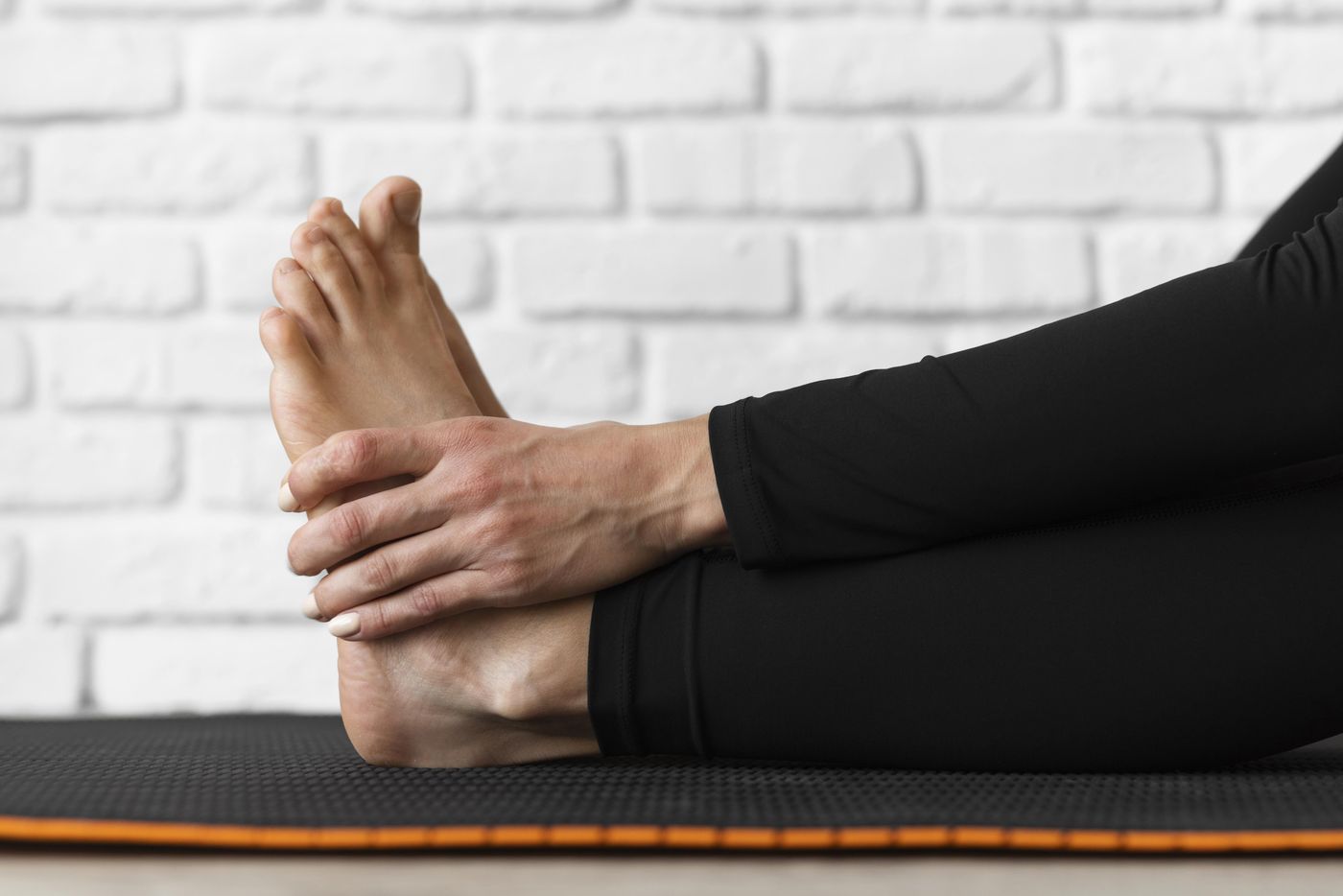
La parte delantera del pie soporta buena parte de nuestro peso cada vez que damos un paso. Cuando esa carga no se reparte bien, pueden aparecer molestias en la zona de las «almohadillas» de debajo de los dedos.
Metatarsalgia
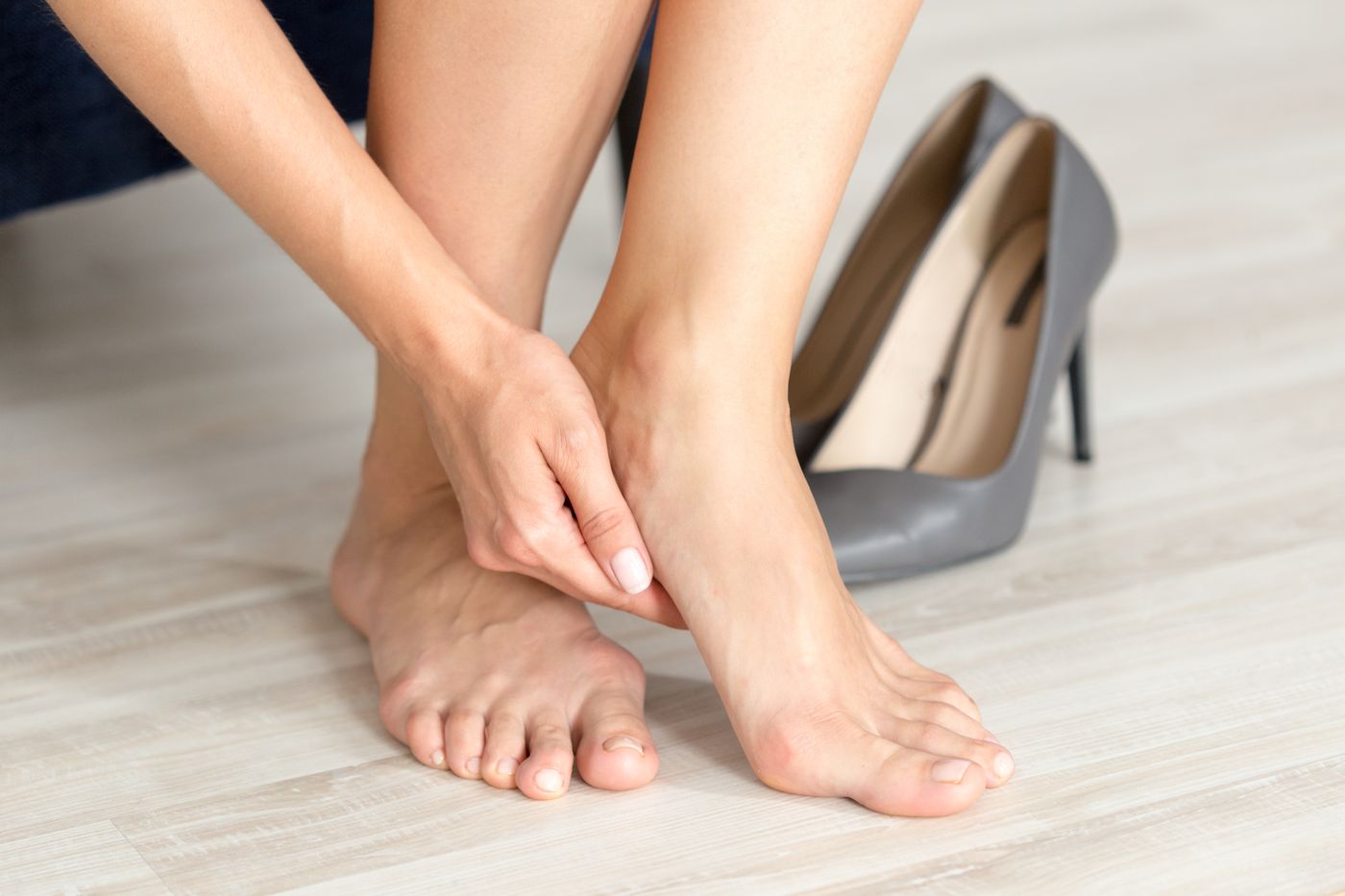
Se llama metatarsalgia al dolor en la zona de las cabezas de los metatarsianos, justo antes de los dedos. Muchas personas lo describen como «caminar sobre una piedra» y suele empeorar con tacones, calzado de suela fina o tras muchas horas de pie.
Neuroma de Morton
El neuroma de Morton es un engrosamiento de un nervio entre los dedos, con más frecuencia entre el tercero y el cuarto. Además de dolor, es típico notar hormigueo, ardor o adormecimiento en los dedos, que mejora al quitarse el zapato y masajear el pie.
Factores que pueden influir
- Calzado estrecho en la puntera o con mucho tacón.
- Una forma de pisar que sobrecarga el antepié.
- Deformidades de los dedos, como los dedos en garra.
- Actividades de impacto repetido, como correr o saltar.
Cómo lo abordamos
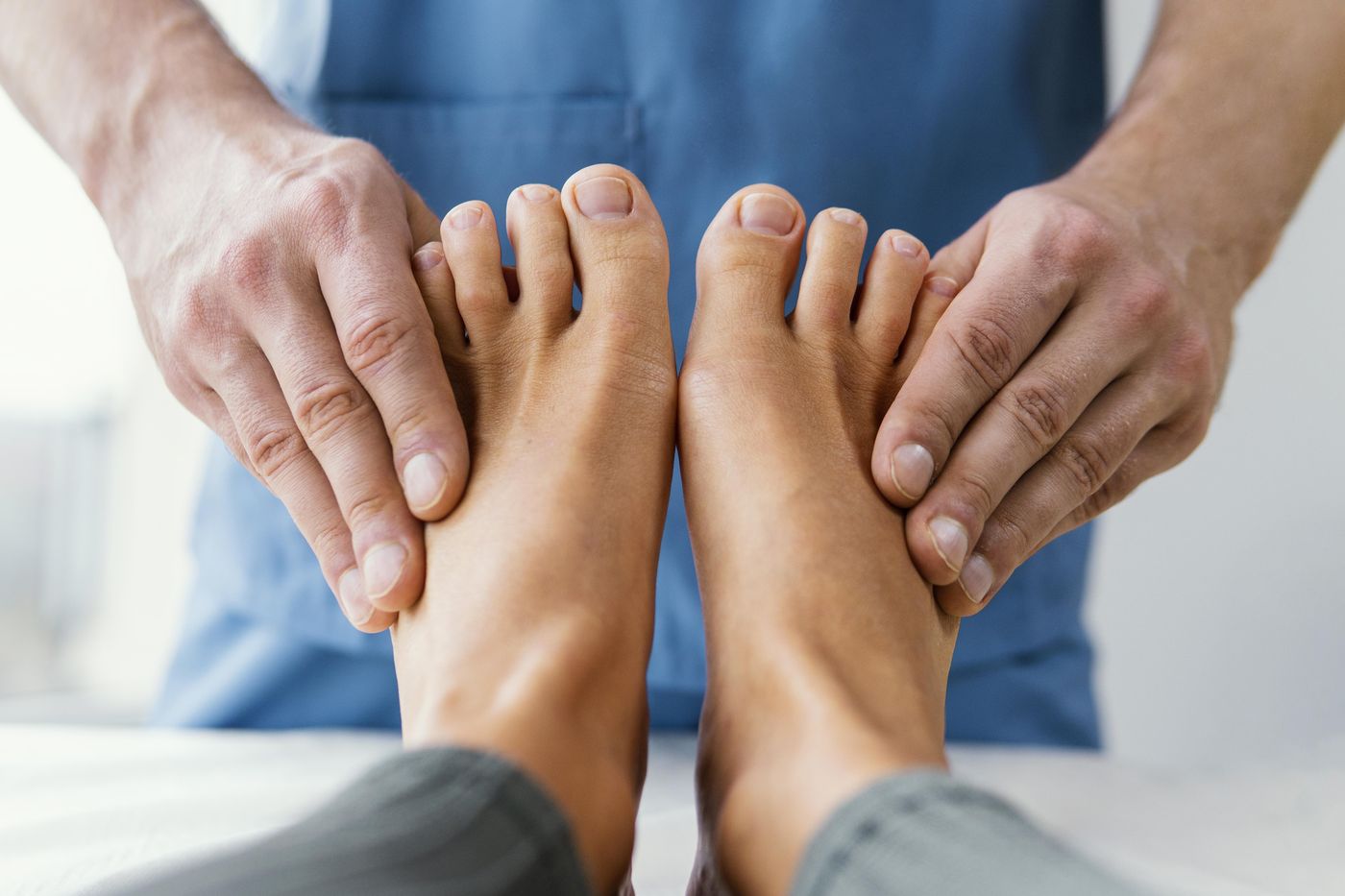
Tras una exploración y un estudio postural y biomecánico, buscamos repartir mejor las cargas del pie. Según el caso, el tratamiento puede incluir cambios en el calzado, plantillas personalizadas u ortesis de silicona a medida para proteger y alinear los dedos.
Si notas dolor u hormigueo en la parte delantera del pie, pide tu valoración.
Este artículo es informativo y no sustituye una valoración profesional.
The front of the foot bears a large share of our weight every time we take a step. When that load isn't spread well, discomfort can appear in the “pads” under the toes.
Metatarsalgia
Metatarsalgia is pain in the area of the metatarsal heads, just behind the toes. Many people describe it as “walking on a stone”, and it usually gets worse with high heels, thin-soled shoes or after many hours on your feet.
Morton's neuroma
Morton's neuroma is a thickening of a nerve between the toes, most often between the third and fourth. Besides pain, it typically causes tingling, burning or numbness in the toes, which eases when you take off your shoe and massage the foot.
Factors that may play a role
- Shoes that are narrow at the toe or have high heels.
- A way of walking that overloads the forefoot.
- Toe deformities, such as claw toes.
- Repetitive impact activities, such as running or jumping.
How we approach it
After an examination and a postural and biomechanical study, we aim to spread the load on the foot more evenly. Depending on the case, treatment may include changes in footwear, custom insoles or custom silicone orthoses to protect and align the toes.
If you feel pain or tingling in the front of your foot, request an assessment.
This article is for information only and does not replace a professional assessment.
Der Vorfuß trägt bei jedem Schritt einen großen Teil unseres Gewichts. Wird diese Last nicht gut verteilt, können Beschwerden an den „Ballen“ unter den Zehen entstehen.
Metatarsalgie
Als Metatarsalgie bezeichnet man Schmerzen im Bereich der Mittelfußköpfchen, direkt vor den Zehen. Viele Betroffene beschreiben es als „Gehen auf einem Stein“. Die Beschwerden verstärken sich oft mit hohen Absätzen, Schuhen mit dünner Sohle oder nach vielen Stunden im Stehen.
Morton-Neurom
Das Morton-Neurom ist eine Verdickung eines Nervs zwischen den Zehen, meist zwischen dem dritten und vierten Zeh. Neben Schmerzen sind Kribbeln, Brennen oder Taubheitsgefühle in den Zehen typisch, die nachlassen, wenn man den Schuh auszieht und den Fuß massiert.
Mögliche Einflussfaktoren
- Schuhe, die vorne eng sind oder hohe Absätze haben.
- Ein Gangbild, das den Vorfuß überlastet.
- Zehenfehlstellungen wie Krallenzehen.
- Wiederholte Stoßbelastungen, etwa beim Laufen oder Springen.
Unser Vorgehen
Nach einer Untersuchung und einer Haltungs- und biomechanischen Analyse versuchen wir, die Belastung des Fußes besser zu verteilen. Je nach Fall kann die Behandlung Änderungen beim Schuhwerk, individuelle Einlagen oder maßgefertigte Silikon-Orthesen zum Schutz und zur Ausrichtung der Zehen umfassen.
Spüren Sie Schmerzen oder Kribbeln im Vorfuß? Fragen Sie Ihre Untersuchung an.
Dieser Artikel dient nur der Information und ersetzt keine professionelle Untersuchung.