Consejos
Fascitis plantar: por qué duele la planta del pie y cómo puede ayudarte la podologíaPlantar fasciitis: why the sole of your foot hurts and how podiatry can helpPlantarfasziitis: Warum die Fußsohle schmerzt und wie Podologie helfen kann
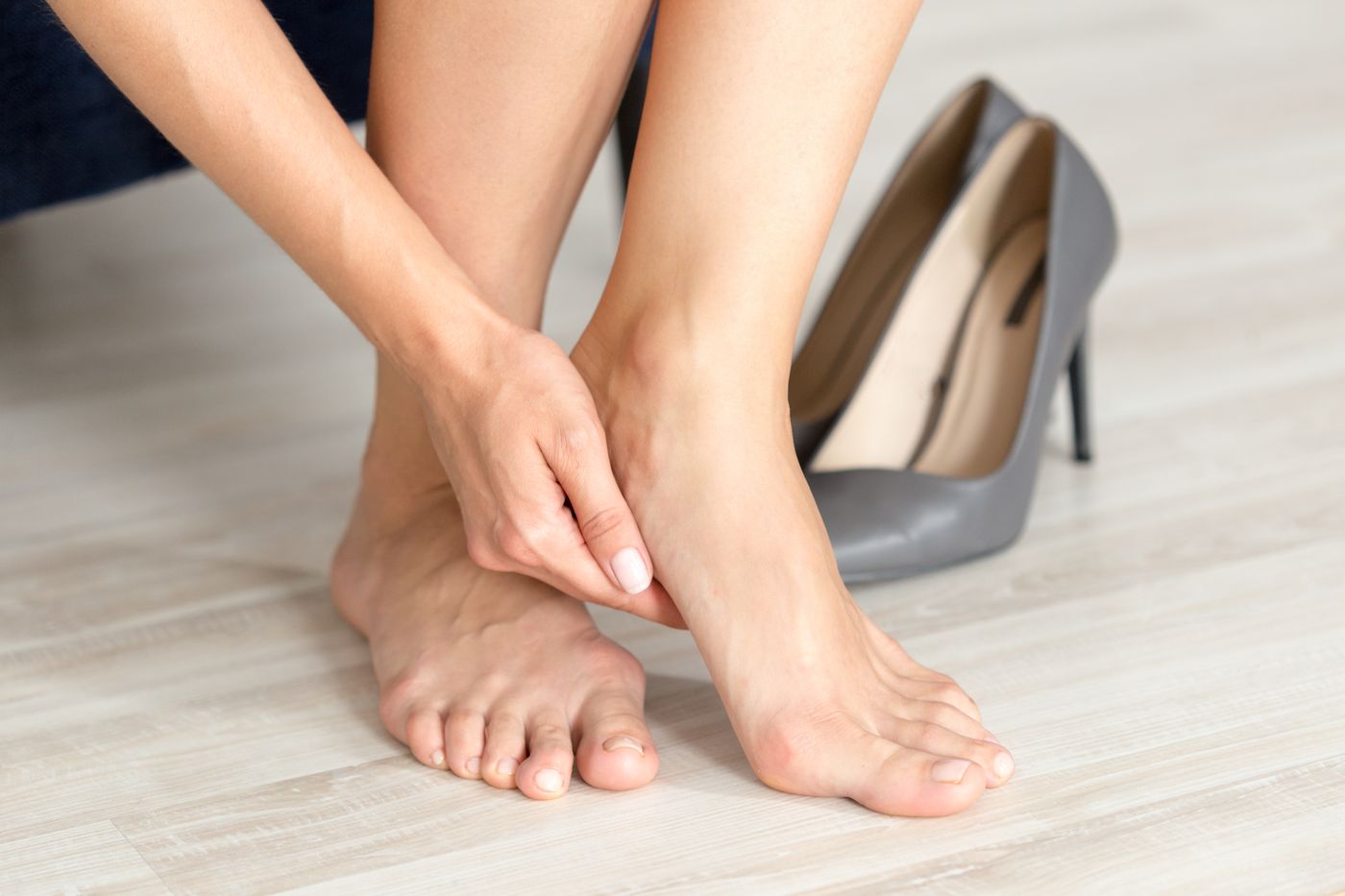
¿Te duele el talón o la planta del pie al levantarte por la mañana, o al ponerte de pie después de un rato sentado? Es una de las consultas más frecuentes en podología y, muchas veces, está relacionada con la fascitis plantar.
¿Qué es la fascia plantar?
La fascia plantar es una banda de tejido que recorre la planta del pie desde el talón hasta los dedos. Ayuda a mantener el arco del pie y a amortiguar cada paso. Cuando soporta más tensión de la que puede tolerar, puede irritarse y doler.
Señales habituales
- Dolor en la zona del talón o en el arco del pie.
- Molestia intensa en los primeros pasos de la mañana que mejora al caminar un rato.
- Dolor que reaparece tras estar mucho tiempo de pie o después de hacer deporte.
Factores que pueden influir
- La forma de pisar y la biomecánica del pie.
- Calzado poco adecuado o muy desgastado.
- Cambios bruscos en la actividad física o muchas horas de pie.
- La postura global del cuerpo y la tensión en la cadena posterior de la pierna.
Cómo lo abordamos en consulta
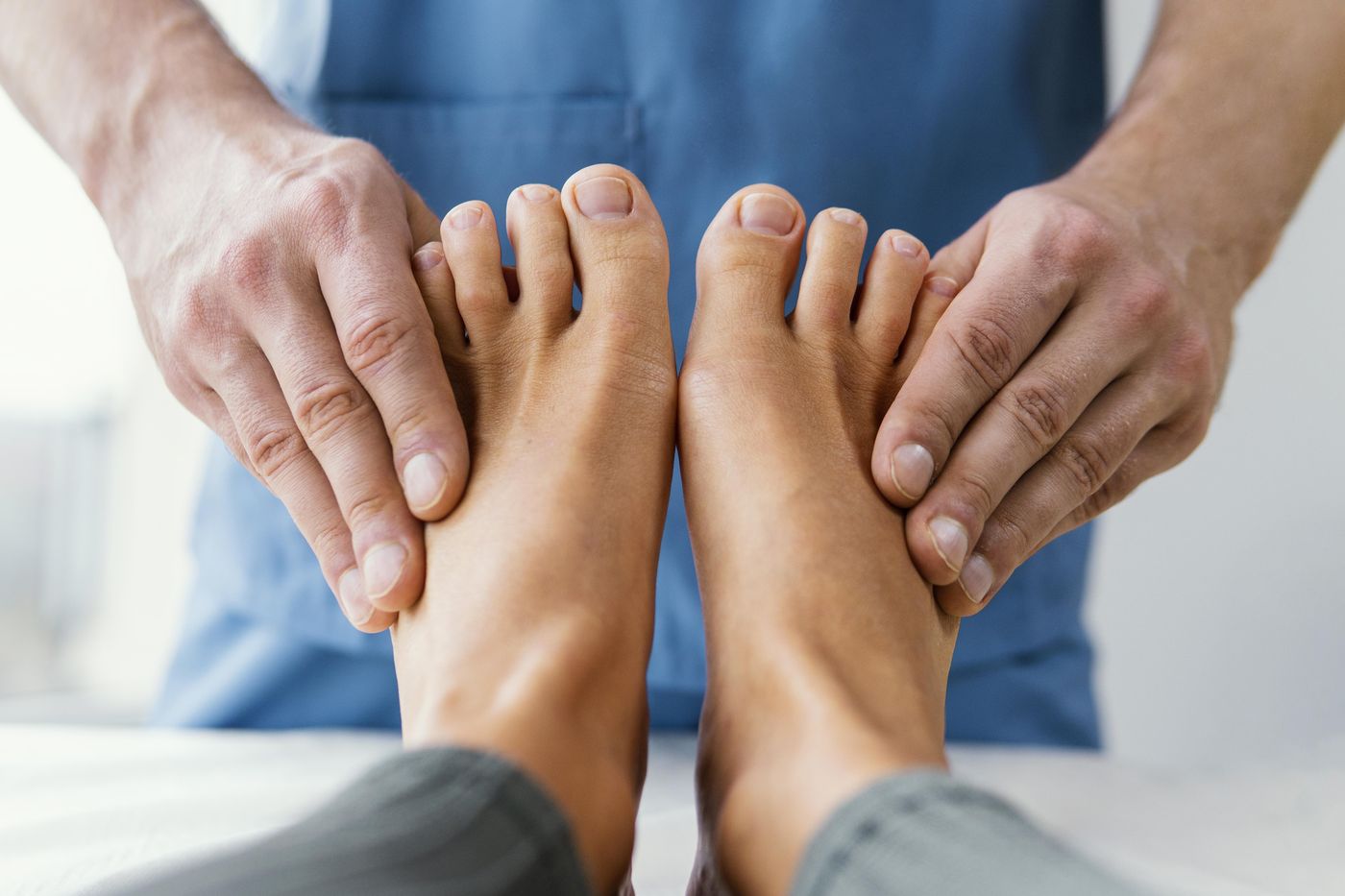
Empezamos con una valoración integral: exploramos el pie, analizamos la pisada y realizamos un estudio postural y biomecánico para entender por qué aparece el dolor. A partir de ahí, proponemos un tratamiento personalizado que puede incluir pautas de calzado y ejercicios y, cuando está indicado, plantillas personalizadas a medida.
Si el dolor dura varias semanas o te impide hacer tu vida normal, no esperes: una valoración a tiempo facilita la recuperación.
Este artículo es informativo y no sustituye una valoración profesional.
Does your heel or the sole of your foot hurt when you get up in the morning, or when you stand up after sitting for a while? It's one of the most common reasons for a podiatry visit and is often related to plantar fasciitis.
What is the plantar fascia?
The plantar fascia is a band of tissue that runs along the sole of the foot from the heel to the toes. It helps support the arch and absorb the impact of every step. When it bears more tension than it can tolerate, it can become irritated and painful.
Common signs
- Pain around the heel or in the arch of the foot.
- Sharp discomfort with the first steps in the morning that eases after walking for a while.
- Pain that returns after standing for a long time or after exercise.
Factors that may play a role
- The way you walk and the biomechanics of your foot.
- Unsuitable or very worn footwear.
- Sudden changes in physical activity or long hours on your feet.
- Overall body posture and tension along the back of the leg.
How we approach it
We start with a comprehensive assessment: we examine the foot, analyse your gait and carry out a postural and biomechanical study to understand why the pain appears. From there, we propose a personalised treatment that may include footwear advice and exercises and, when appropriate, custom-made insoles.
If the pain lasts several weeks or stops you from going about your daily life, don't wait: an early assessment makes recovery easier.
This article is for information only and does not replace a professional assessment.
Schmerzt Ihre Ferse oder Fußsohle, wenn Sie morgens aufstehen oder nach längerem Sitzen aufstehen? Das ist einer der häufigsten Gründe für einen Besuch beim Podologen – und oft steckt eine Plantarfasziitis dahinter.
Was ist die Plantarfaszie?
Die Plantarfaszie ist eine Gewebeplatte, die an der Fußsohle von der Ferse bis zu den Zehen verläuft. Sie stützt das Fußgewölbe und federt jeden Schritt ab. Wird sie stärker belastet, als sie verträgt, kann sie sich reizen und schmerzen.
Typische Anzeichen
- Schmerzen im Fersenbereich oder im Fußgewölbe.
- Starke Beschwerden bei den ersten Schritten am Morgen, die nach einer Weile Gehen nachlassen.
- Schmerzen, die nach langem Stehen oder nach dem Sport wiederkehren.
Mögliche Einflussfaktoren
- Die Art des Gehens und die Biomechanik des Fußes.
- Ungeeignetes oder stark abgenutztes Schuhwerk.
- Plötzliche Veränderungen der körperlichen Aktivität oder viele Stunden im Stehen.
- Die gesamte Körperhaltung und die Spannung an der Rückseite des Beins.
Unser Vorgehen
Wir beginnen mit einer ganzheitlichen Untersuchung: Wir untersuchen den Fuß, analysieren Ihren Gang und führen eine Haltungs- und biomechanische Analyse durch, um zu verstehen, warum der Schmerz entsteht. Darauf aufbauend schlagen wir eine individuelle Behandlung vor, die Schuhempfehlungen und Übungen sowie, wenn angezeigt, maßgefertigte Einlagen umfassen kann.
Wenn die Schmerzen mehrere Wochen anhalten oder Sie im Alltag einschränken, warten Sie nicht: Eine frühzeitige Untersuchung erleichtert die Genesung.
Dieser Artikel dient nur der Information und ersetzt keine professionelle Untersuchung.